/ Mar 09, 2026
Trending
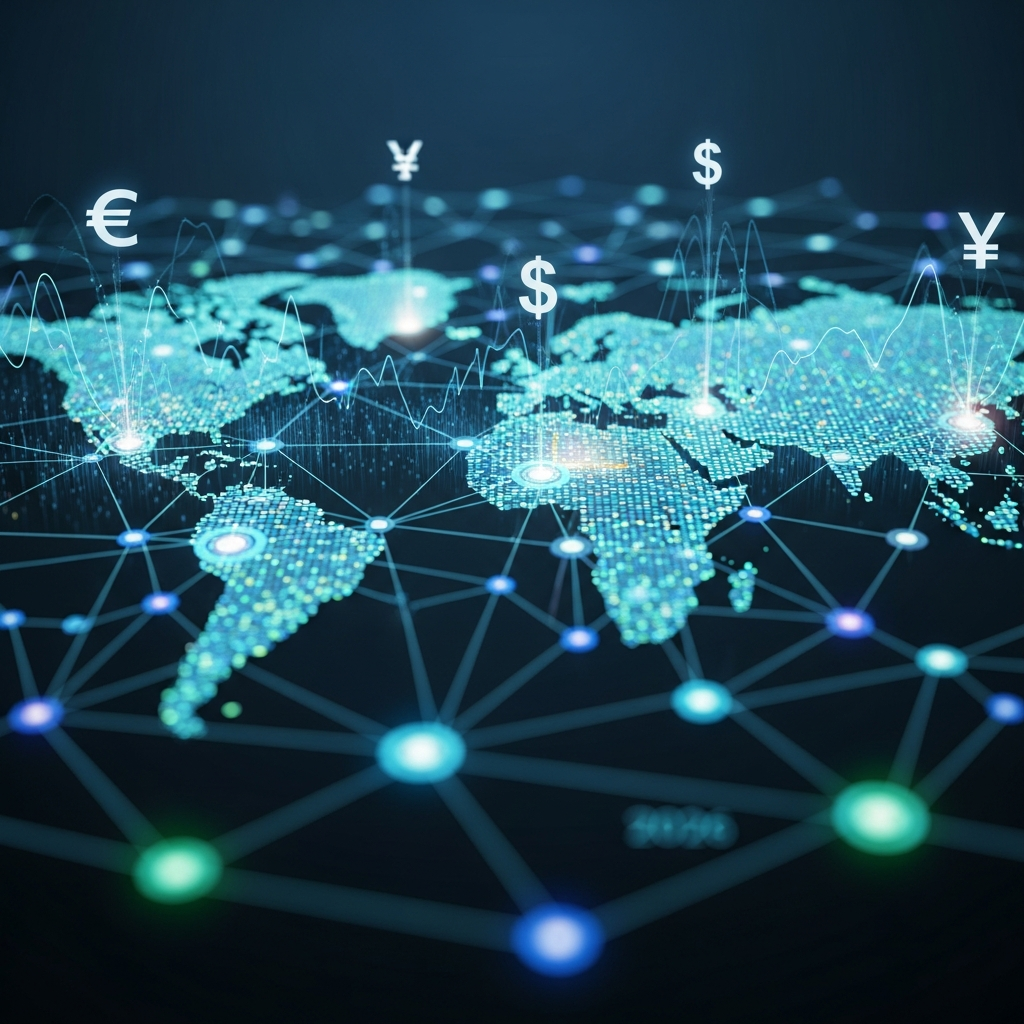
As we move into 2026, the financial landscape is undergoing a significant transformation with the advent of Central Bank Digital Currencies (CBDCs) and the integration of Distributed Ledger Technology (DLT) for settlement processes. Central banks and financial institutions worldwide are actively exploring these innovations to enhance the efficiency of cross-border payments.
Central Bank Digital Currencies are digital forms of a country’s fiat currency, issued and regulated by the central bank. Unlike cryptocurrencies, CBDCs are designed to maintain the stability of the national currency while providing the benefits of digital transactions. In 2026, several countries have already launched pilot programs, with many more in the testing phase.
Distributed Ledger Technology offers a decentralized approach to recording transactions, which can significantly improve the settlement of cross-border payments. By utilizing DLT, financial institutions can achieve faster transaction speeds, increased transparency, and reduced operational costs.
In 2026, various central banks are collaborating with technology firms to develop wholesale DLT settlement networks. These networks aim to facilitate real-time gross settlement (RTGS) systems that can handle multiple currencies simultaneously, thereby enhancing the efficiency of international trade.
Despite the promising outlook for CBDCs and DLT, several challenges remain. Regulatory frameworks need to evolve to accommodate these new technologies, ensuring consumer protection and financial stability. Additionally, interoperability between different CBDCs and existing financial systems is crucial for seamless cross-border transactions.
The exploration of Central Bank Digital Currencies and Distributed Ledger Technology for settlement processes marks a pivotal moment in the evolution of the financial sector. As we progress through 2026, the successful implementation of these innovations could redefine the way we conduct cross-border payments, paving the way for a more efficient and inclusive global economy.