/ Mar 03, 2026
Trending
As we move into 2025, the blockchain landscape continues to evolve rapidly. Discussions surrounding blockchain infrastructure and scaling solutions are at the forefront of technological innovation. With the increasing demand for decentralized applications (dApps), the need for efficient and scalable blockchain solutions has never been more critical.
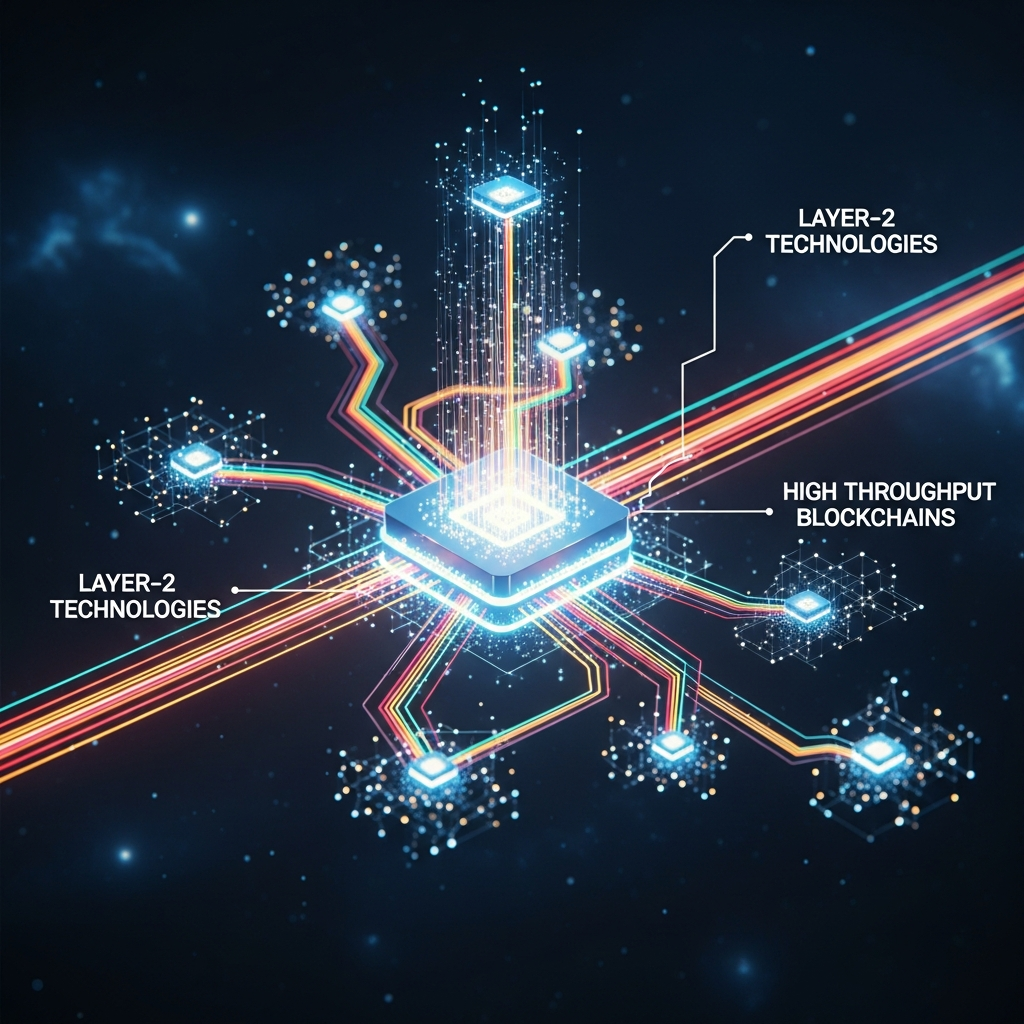
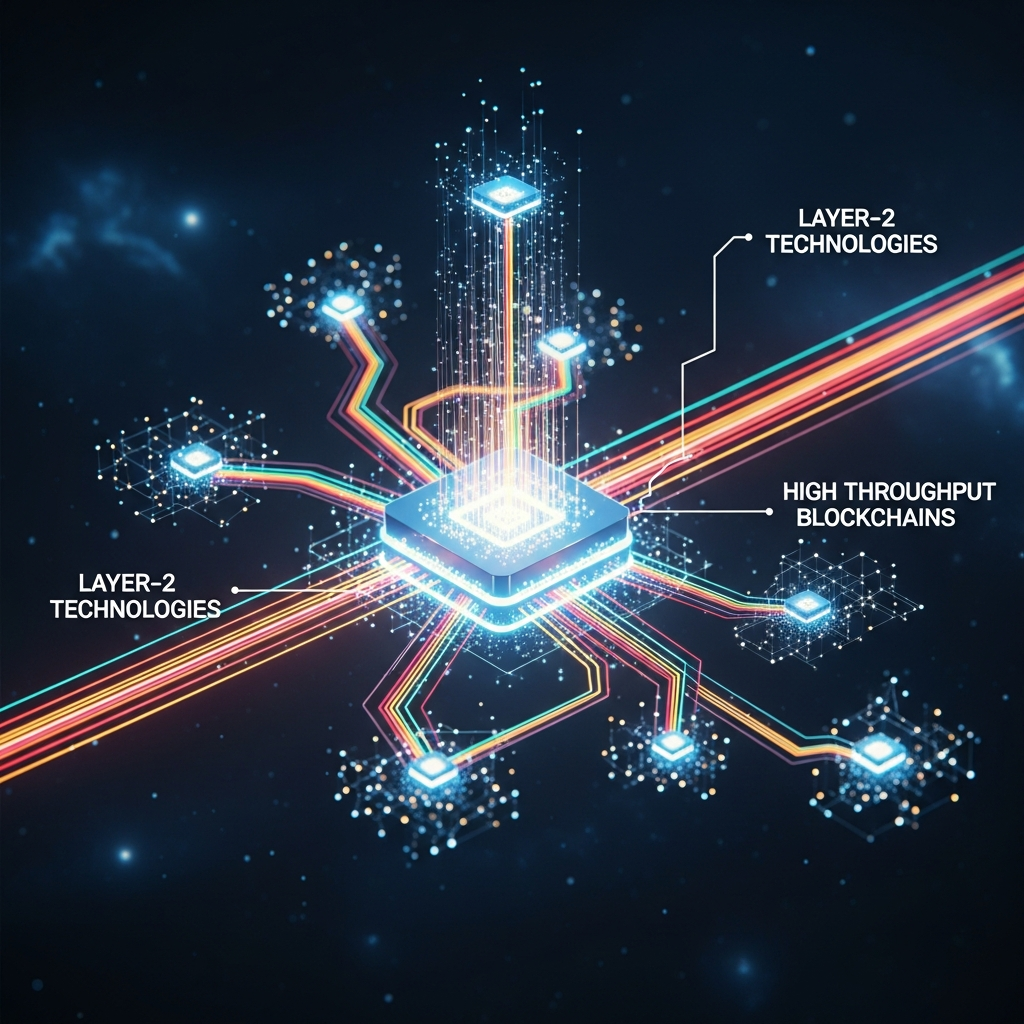
Layer-2 solutions have emerged as a vital component in addressing the scalability challenges faced by many blockchain networks. These solutions operate on top of existing blockchains, allowing for faster transactions and reduced fees. Technologies such as rollups, state channels, and sidechains are leading the charge in enhancing blockchain performance.
Rollups bundle multiple transactions into a single one, significantly reducing the load on the main blockchain. This not only increases throughput but also enhances user experience by lowering transaction costs. As of 2025, several prominent blockchains have successfully integrated rollup technology, showcasing its effectiveness.
State channels allow users to conduct transactions off-chain, only settling on the main blockchain when necessary. This method drastically reduces congestion and speeds up transaction times, making it ideal for applications requiring high-frequency interactions.
In addition to Layer-2 solutions, high throughput blockchains are gaining traction. These blockchains are designed to handle thousands of transactions per second, making them suitable for large-scale applications. Projects like Solana and Avalanche have demonstrated the potential of high throughput architectures, attracting developers and businesses alike.
Solana’s unique consensus mechanism, Proof of History, allows it to achieve remarkable speeds and scalability. As a result, it has become a popular choice for developers looking to build high-performance dApps.
Avalanche offers a flexible architecture that supports multiple virtual machines, enabling developers to create customized solutions tailored to their needs. This adaptability is crucial for fostering innovation in the blockchain space.
Scalability remains a top priority for blockchain developers. As the ecosystem matures, various projects are exploring innovative ways to enhance scalability. Techniques such as sharding, which divides the blockchain into smaller, manageable pieces, are being researched and implemented to improve performance.
Sharding allows for parallel processing of transactions, significantly increasing the overall throughput of the network. This method has shown promise in various testnets and is expected to play a crucial role in the future of blockchain scalability.
As we look ahead to 2026, the importance of blockchain infrastructure and scaling solutions cannot be overstated. With the rise of Layer-2 technologies and high throughput blockchains, the future of decentralized applications appears bright. Continued innovation in scalability will be essential for the growth and adoption of blockchain technology across various industries.