/ Mar 04, 2026
Trending
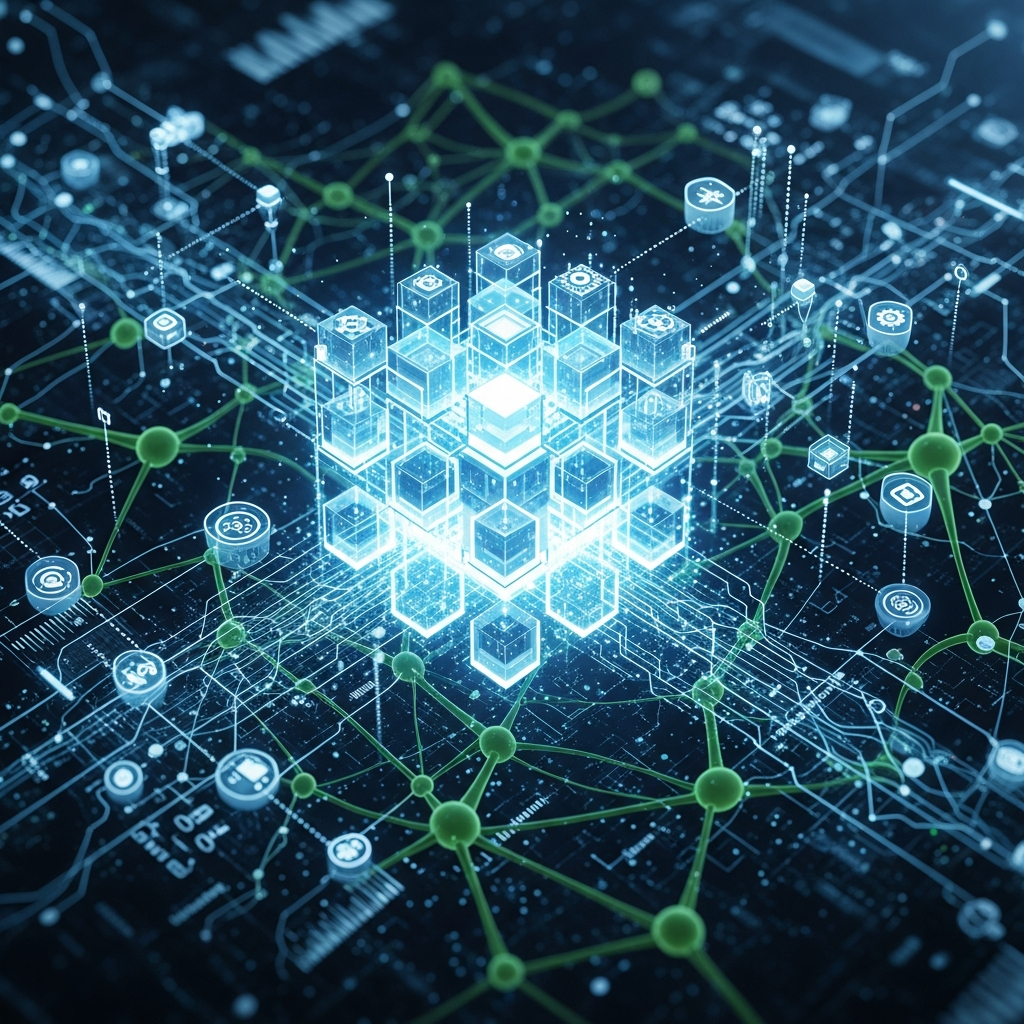
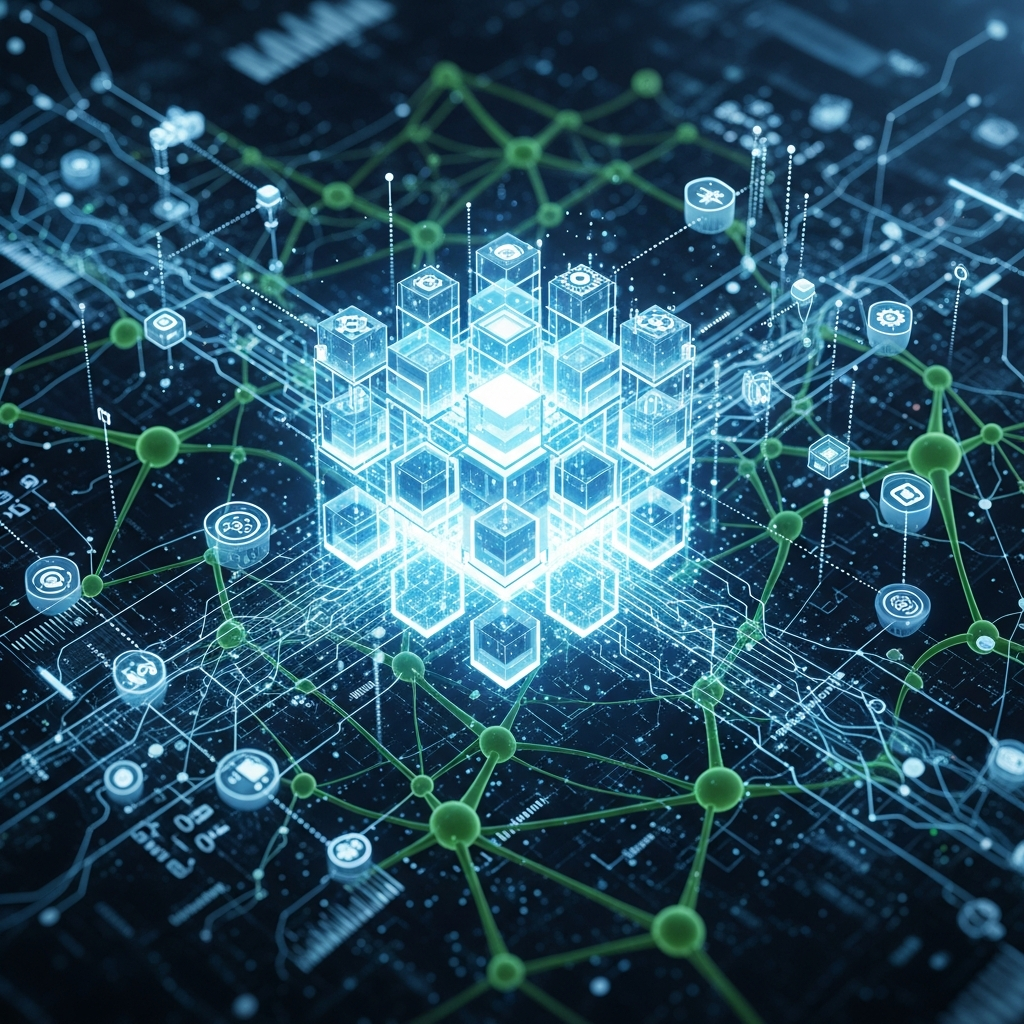
As we move into 2026, the convergence of blockchain technology, artificial intelligence (AI), and the Internet of Things (IoT) is set to revolutionize various industries. This synergy promises enhanced security, efficiency, and transparency in data management and sharing.
Blockchain is a decentralized ledger technology that ensures data integrity and security through cryptographic methods. Its immutable nature makes it ideal for applications requiring trust and transparency.
AI refers to the simulation of human intelligence in machines, enabling them to perform tasks that typically require human cognition. AI can analyze vast amounts of data, learn from it, and make decisions autonomously.
IoT encompasses a network of interconnected devices that communicate and exchange data. These devices collect real-time data, which can be utilized for various applications, from smart homes to industrial automation.
The integration of these three technologies creates a robust framework for smart systems. Here are some key benefits:
Blockchain provides a secure environment for data sharing among IoT devices. By utilizing smart contracts, devices can autonomously execute transactions without the need for intermediaries, reducing the risk of data breaches.
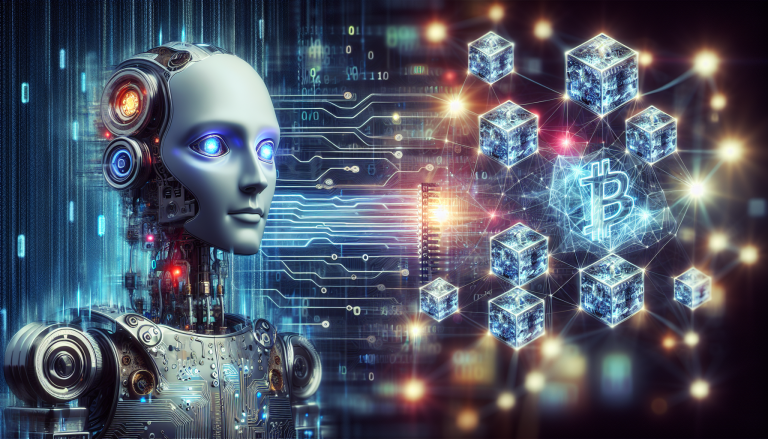
AI agents can leverage blockchain to interact with IoT devices seamlessly. For instance, an AI system can analyze data from various sensors and make real-time decisions, such as adjusting energy consumption in smart buildings.
With blockchain, the provenance of data collected by IoT devices can be tracked and verified. This transparency is crucial for industries like supply chain management, where knowing the origin and journey of products is essential.
In smart cities, the integration of blockchain, AI, and IoT can optimize traffic management, energy consumption, and waste management. For example, AI can analyze traffic patterns, while blockchain ensures secure data sharing among city infrastructure.
In healthcare, patient data can be securely shared among providers using blockchain, while AI can analyze this data for better patient outcomes. IoT devices can monitor patient health in real-time, providing valuable data for AI algorithms.
Despite the potential benefits, several challenges must be addressed, including scalability, interoperability, and regulatory compliance. Ensuring that these technologies can work together seamlessly is crucial for widespread adoption.
The integration of blockchain, AI, and IoT is poised to transform industries by enabling secure data sharing, automated interactions, and transparent data provenance. As we advance into 2026, the potential for innovation in smart systems is limitless, paving the way for a more connected and efficient future.