/ Oct 22, 2026
Trending
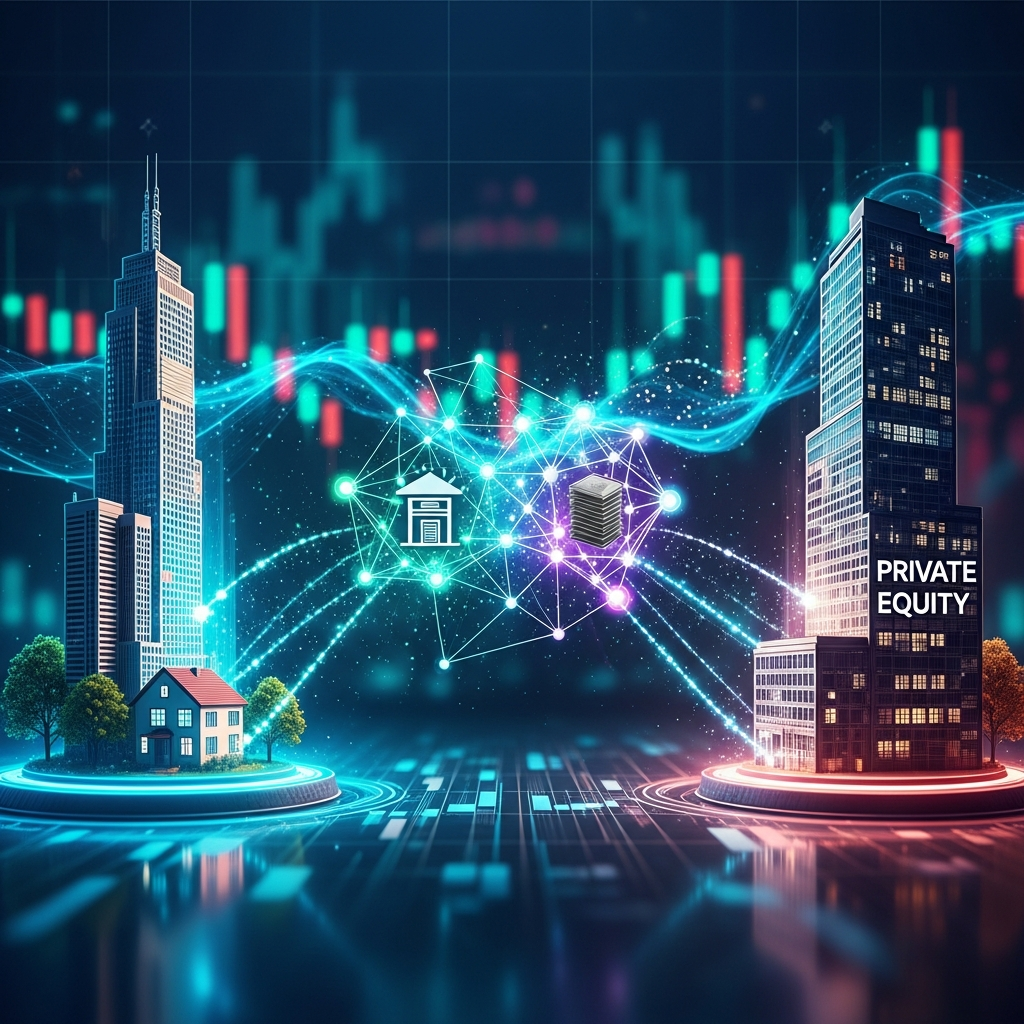
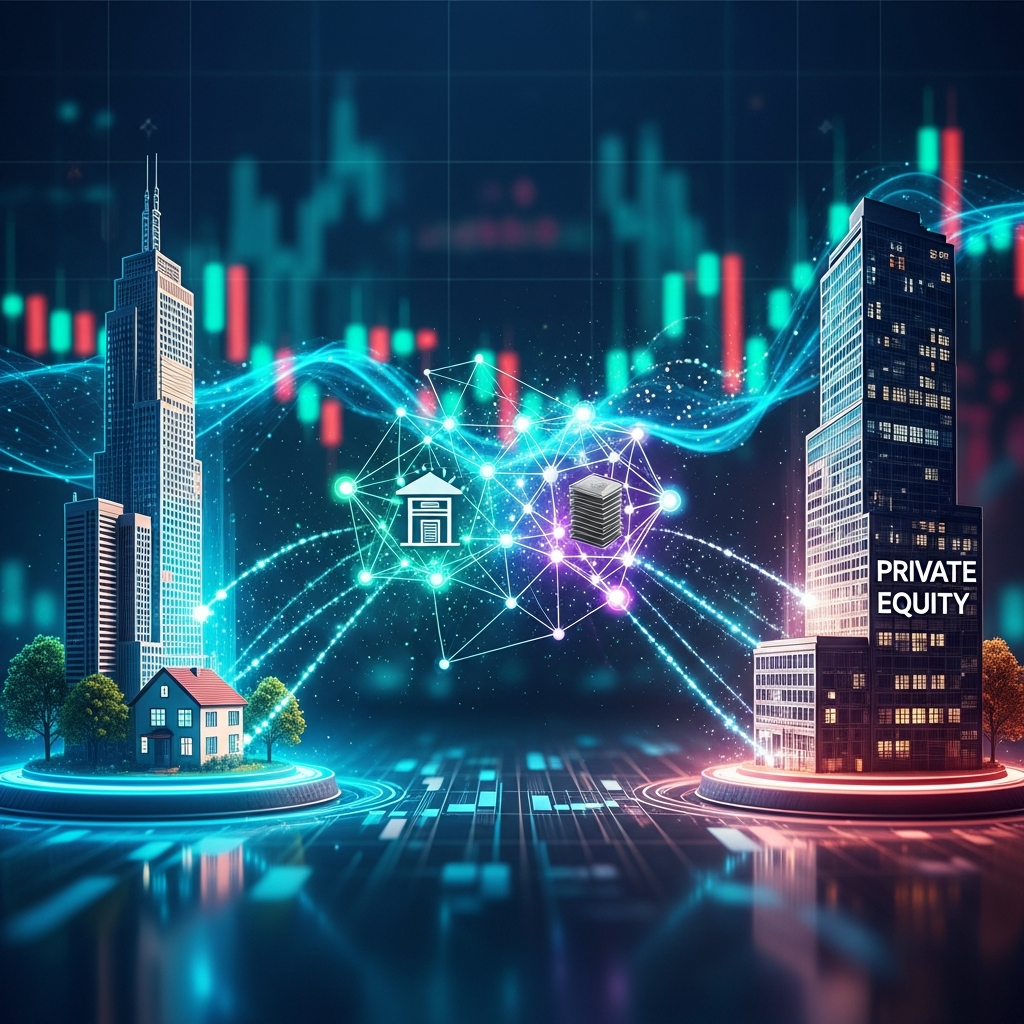
In 2026, the landscape of asset management is undergoing a profound transformation, driven by the tokenization of Real-World Assets (RWAs) on blockchain technology. This innovative approach is enhancing liquidity and transparency across various industries, particularly in real estate and private equity.
RWA tokenization refers to the process of converting physical assets into digital tokens that can be traded on blockchain platforms. This process not only democratizes access to investment opportunities but also streamlines transactions, reducing costs and time associated with traditional asset management.
The real estate sector has been one of the early adopters of RWA tokenization. By representing properties as digital tokens, investors can easily trade shares in real estate projects, enabling fractional ownership. This shift not only increases liquidity but also opens up investment opportunities to a broader audience.
Several platforms have successfully implemented RWA tokenization in real estate. For instance, platforms like RealT and Harbor have allowed investors to purchase fractional ownership in properties, providing a new avenue for investment and diversification.
Private equity is another sector poised for disruption through RWA tokenization. Traditionally, private equity investments have been illiquid and accessible only to accredited investors. Tokenization changes this by allowing for the creation of tokenized funds that can be traded on secondary markets, increasing liquidity and attracting a wider range of investors.
As we move further into 2026, the adoption of RWA tokenization is expected to accelerate. Regulatory frameworks are evolving to accommodate this new asset class, and more industries are likely to explore the benefits of tokenization. The potential for increased efficiency, transparency, and accessibility makes RWA tokenization a key trend to watch in the coming years.
Real-World Asset tokenization represents a fundamental shift in how traditional assets are managed and traded. By leveraging blockchain technology, industries like real estate and private equity can enhance liquidity and transparency, paving the way for a more inclusive and efficient financial ecosystem.