/ Mar 11, 2026
Trending
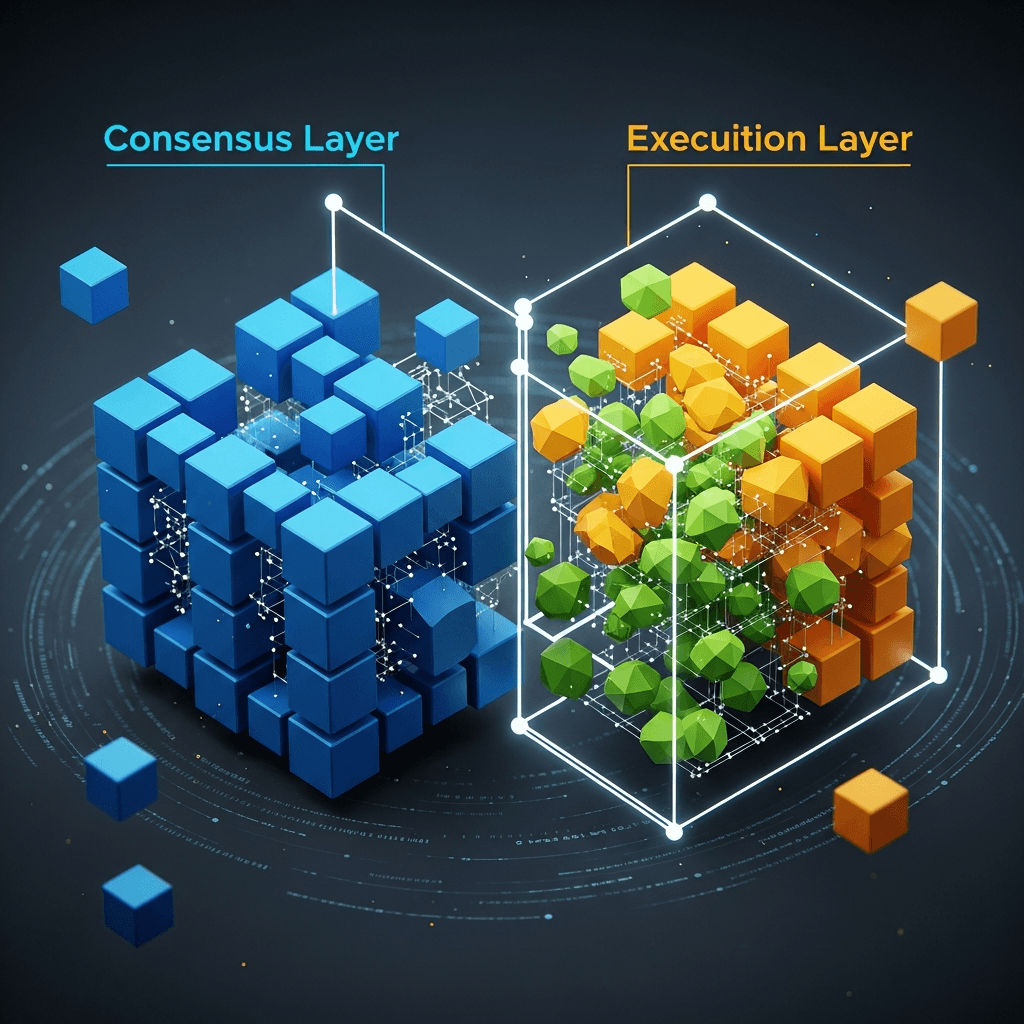
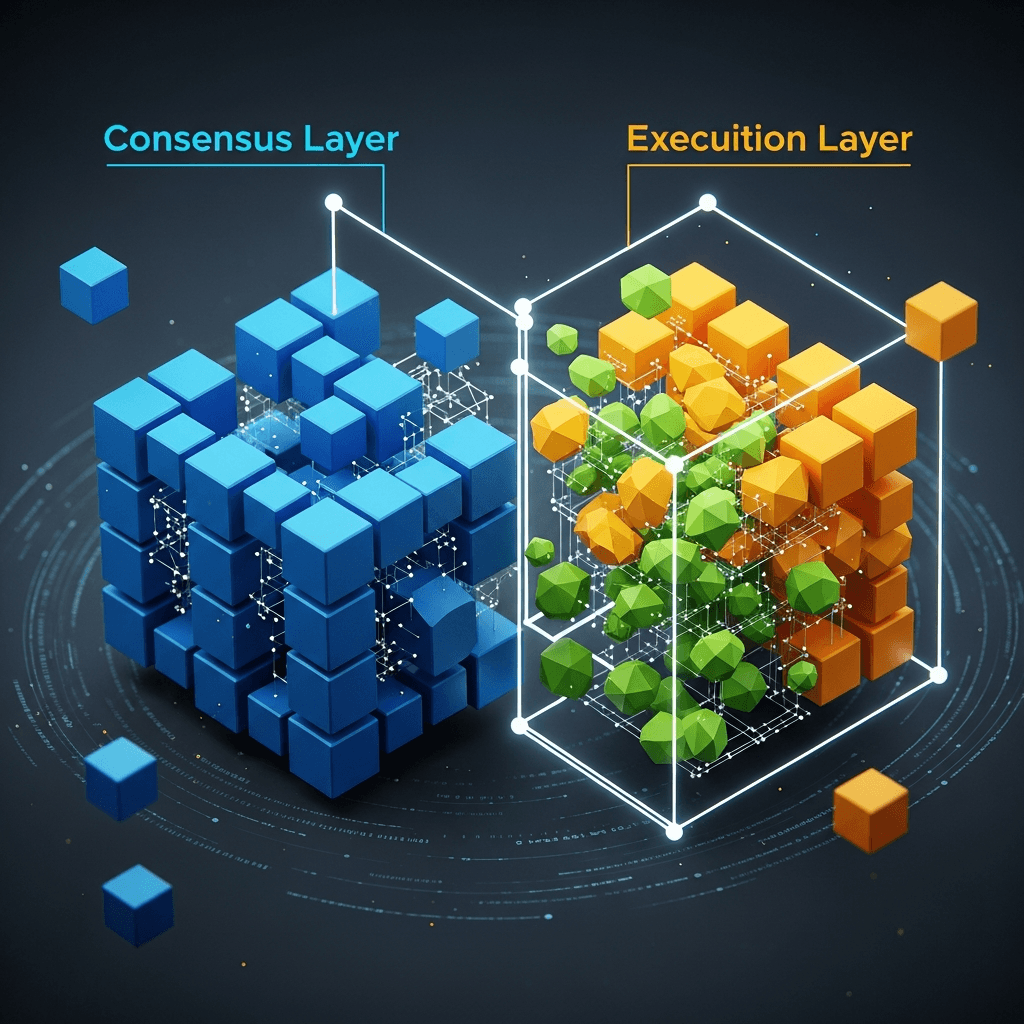
In 2026, the blockchain landscape is witnessing a transformative shift with the emergence of modular blockchain architectures. Networks like Celestia and Polygon 2.0 are leading the charge, enabling developers to ‘unbundle’ consensus and execution processes. This innovation is not just a technical advancement; it represents a paradigm shift that drastically reduces infrastructure costs and enhances scalability for decentralized applications.
Modular blockchain architectures separate the core functions of blockchain technology into distinct layers. Traditionally, blockchains have bundled consensus, execution, and data availability into a single layer, which can lead to inefficiencies and high operational costs. By decoupling these functions, modular architectures allow for more specialized and efficient systems.
Celestia is at the forefront of this modular revolution. It provides a scalable and flexible framework that allows developers to deploy their own execution environments while relying on Celestia for consensus and data availability. This separation not only reduces costs but also enhances the ability to scale applications without the limitations of traditional blockchains.
Polygon 2.0 takes a similar approach, offering a suite of tools that enable developers to build and connect multiple blockchains. By allowing for the separation of execution and consensus, Polygon 2.0 empowers developers to create highly efficient and scalable applications tailored to specific use cases.
The benefits of adopting modular blockchain architectures are manifold:
Despite the advantages, modular blockchain architectures face challenges. Interoperability between different modules can be complex, and ensuring security across separate layers is crucial. Developers must navigate these challenges to fully realize the potential of modular systems.
As we move further into 2026, the adoption of modular blockchain architectures like Celestia and Polygon 2.0 is set to reshape the crypto landscape. By allowing developers to unbundle consensus and execution, these networks are not only reducing infrastructure costs but also paving the way for a new era of scalable and efficient decentralized applications. The future of blockchain is modular, and the possibilities are endless.