/ Feb 04, 2026
Trending
As the blockchain ecosystem continues to evolve, scalability remains a pressing challenge. In 2026, the focus has shifted towards Layer-2 solutions and modular blockchains, which promise to enhance transaction throughput and reduce latency. This article delves into the significance of these innovations in addressing the limitations of traditional blockchain architectures.
Layer-2 solutions operate on top of existing blockchains, allowing for faster and cheaper transactions without compromising security. By offloading some of the transaction processing from the main chain, these solutions can significantly increase the number of transactions per second (TPS). Popular Layer-2 solutions include state channels, sidechains, and rollups.
State channels enable two parties to transact off-chain, only settling the final state on the main blockchain. This method drastically reduces the number of on-chain transactions, leading to lower fees and faster confirmations.
Sidechains are independent blockchains that run parallel to the main chain. They allow for the transfer of assets between chains, providing flexibility and scalability. This architecture can be tailored for specific use cases, enhancing overall network efficiency.
Rollups bundle multiple transactions into a single one, which is then recorded on the main chain. This method not only reduces congestion but also minimizes gas fees, making it an attractive option for developers and users alike.
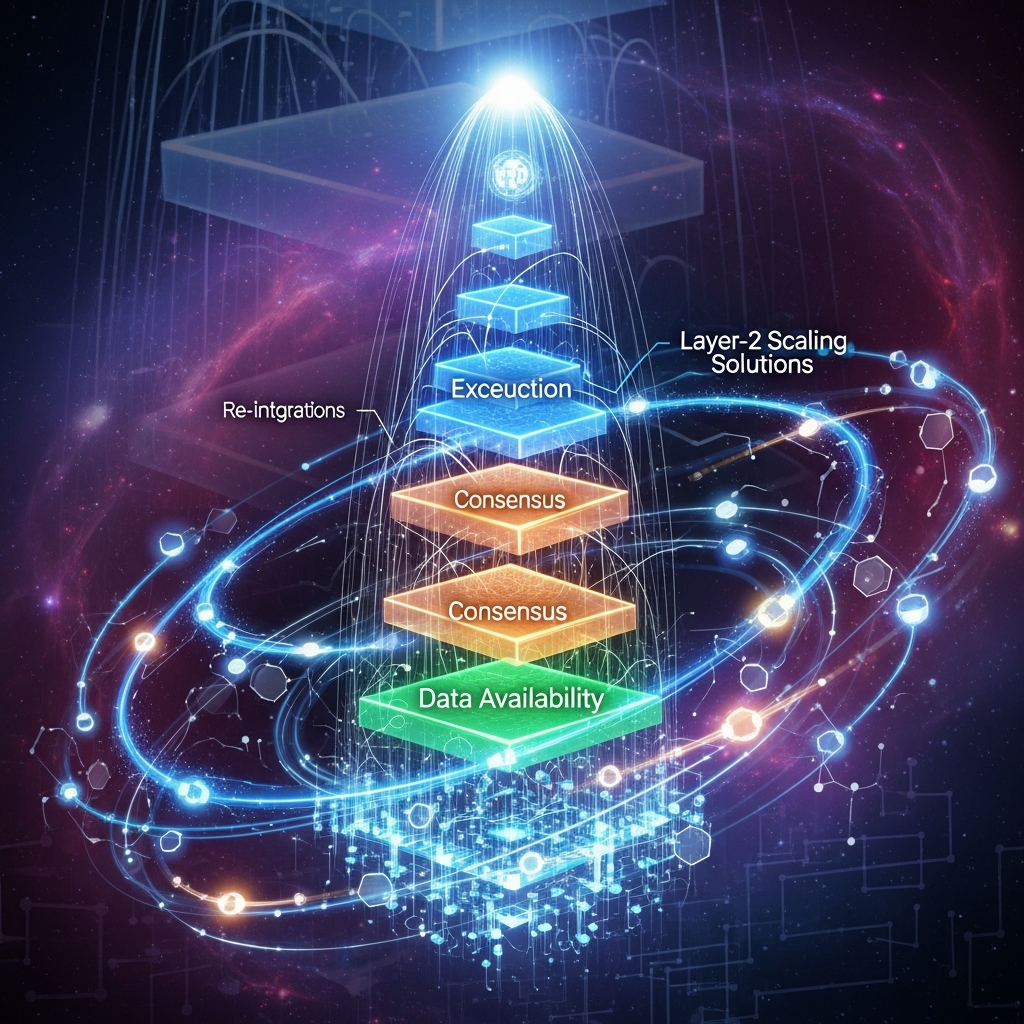
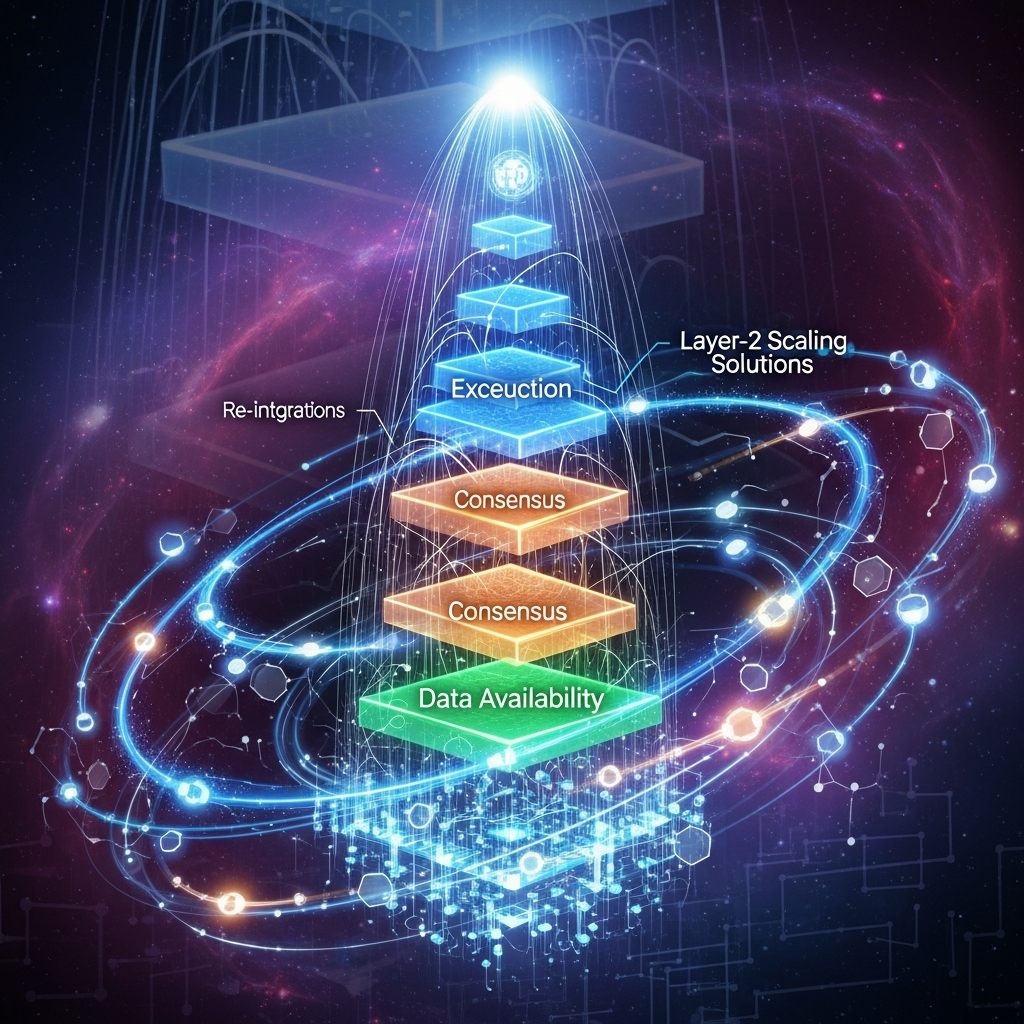
Modular blockchains represent a significant shift in blockchain architecture by decoupling the core components: consensus, execution, and data availability. This separation allows for greater flexibility and scalability, enabling developers to optimize each layer independently.
By separating consensus mechanisms from execution, modular blockchains can adopt various consensus algorithms tailored to specific needs. This flexibility can lead to improved security and efficiency, as different applications may require different consensus models.
The execution layer can be optimized for speed and efficiency, allowing for faster transaction processing. This is particularly important for applications requiring high throughput, such as decentralized finance (DeFi) platforms and non-fungible tokens (NFTs).
Ensuring data availability is crucial for the integrity of blockchain networks. Modular architectures can implement innovative data availability solutions, ensuring that all necessary data is accessible when needed, thus enhancing the overall reliability of the network.
As we move further into 2026, the adoption of Layer-2 solutions and modular blockchains is expected to accelerate. These technologies not only address current scalability challenges but also pave the way for a more robust and efficient blockchain ecosystem. By embracing these innovations, developers can create applications that are not only scalable but also user-friendly, ultimately driving wider adoption of blockchain technology.
The shift towards Layer-2 solutions and modular blockchains is crucial for overcoming the scalability limitations of traditional blockchain architectures. By decoupling consensus, execution, and data availability, the blockchain industry is poised for significant advancements, enabling a new era of decentralized applications and services.