/ Apr 02, 2026
Trending
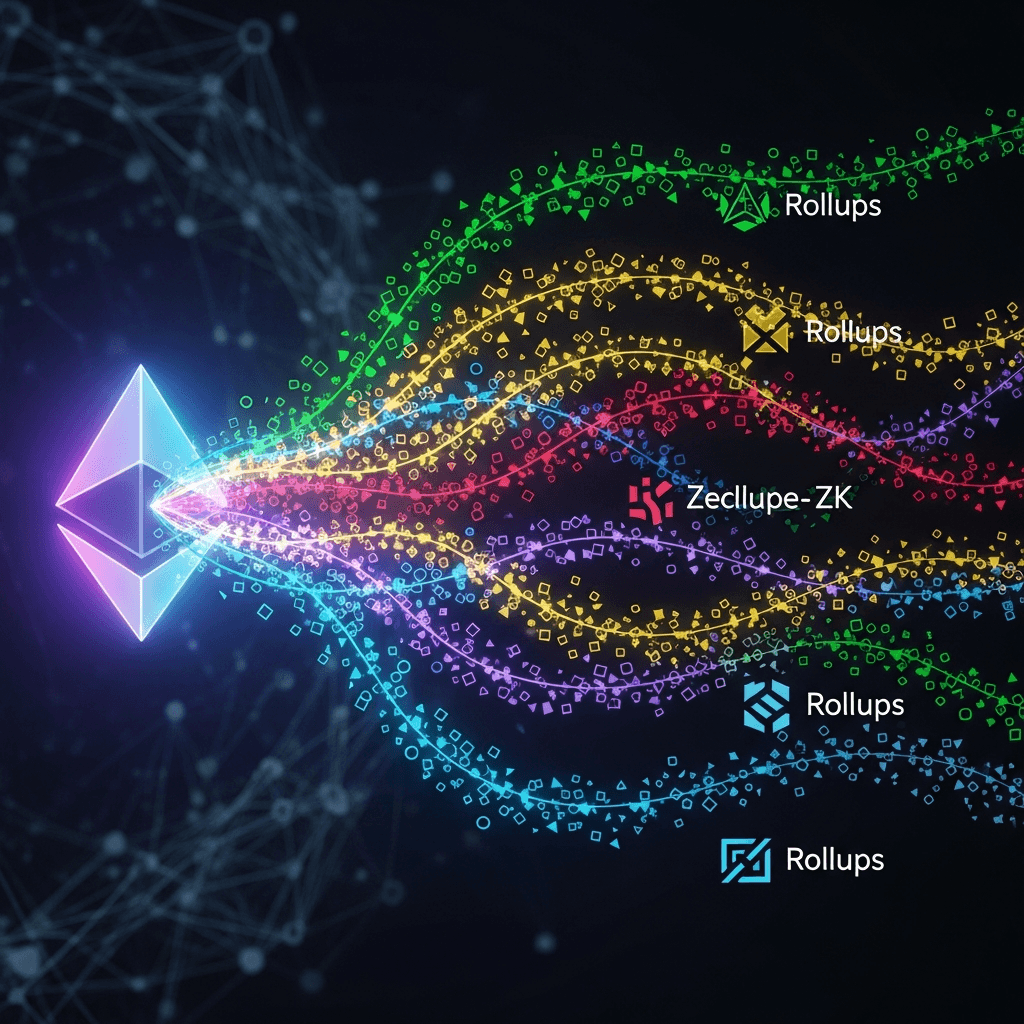
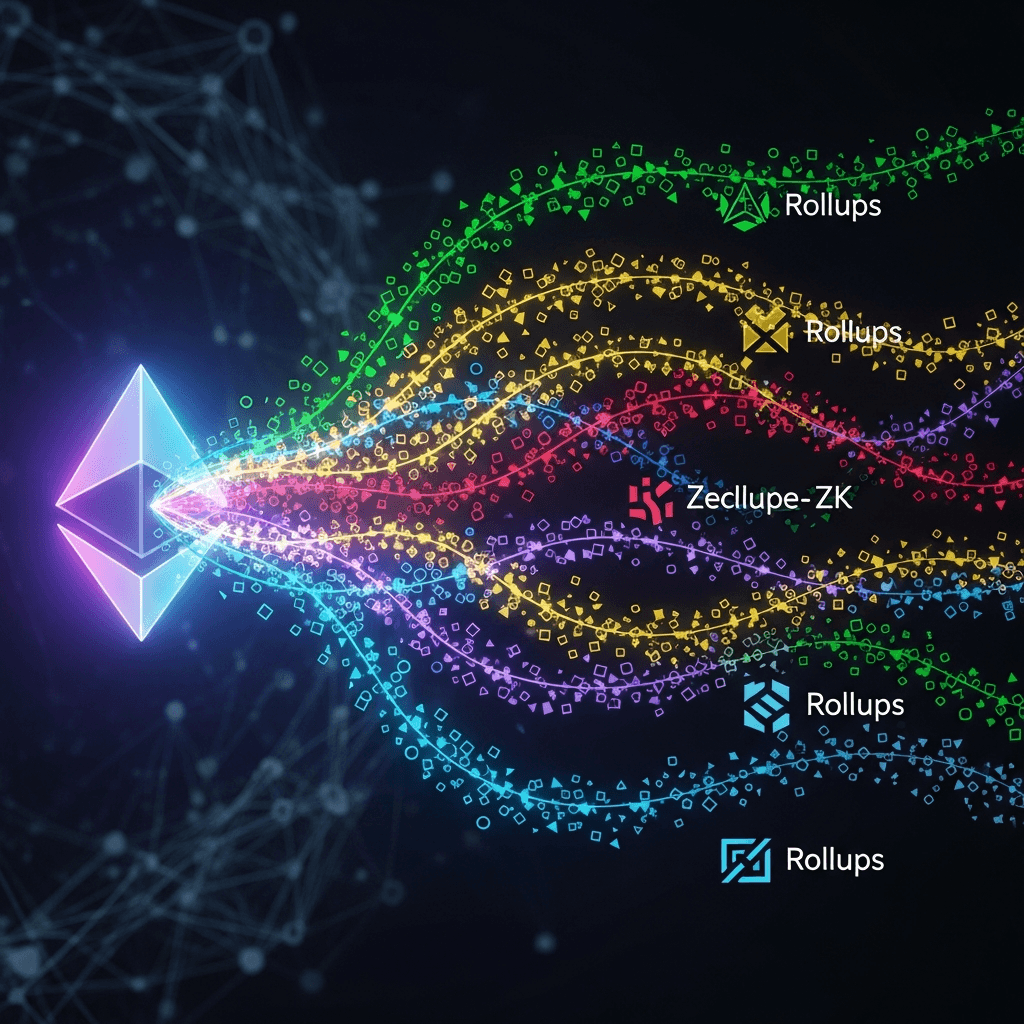
As we move into 2026, the Ethereum blockchain continues to evolve, with Layer-2 scaling solutions gaining significant traction. Among these, Ethereum rollups and Zero-Knowledge (ZK) technology stand out for their ability to enhance transaction speeds and reduce costs, making them essential for the future of decentralized applications.
Layer-2 solutions are protocols built on top of the Ethereum blockchain that aim to improve scalability and transaction throughput. By processing transactions off the main Ethereum chain, these solutions alleviate congestion and lower gas fees, which have been a persistent issue for users and developers alike.
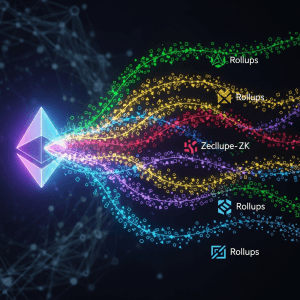
Ethereum rollups bundle multiple transactions into a single one, significantly reducing the amount of data that needs to be processed on-chain. This not only speeds up transaction times but also enhances the overall user experience. Rollups can be categorized into two types: Optimistic Rollups and ZK Rollups.
Zero-Knowledge technology, particularly ZK-SNARKs (Zero-Knowledge Succinct Non-Interactive Arguments of Knowledge), allows for the verification of transactions without revealing the underlying data. This ensures privacy while maintaining security and efficiency. In 2026, ZK technology is becoming increasingly popular, with various projects integrating it to enhance their platforms.
The integration of rollups and ZK technology is transforming the Ethereum ecosystem. Developers are now able to create more complex decentralized applications (dApps) that can handle a larger user base without compromising on speed or cost. This shift is attracting more users and investors to the Ethereum network.
Several projects are already leveraging these technologies to improve their services. For instance, decentralized finance (DeFi) platforms are utilizing rollups to facilitate faster transactions, while privacy-focused applications are adopting ZK technology to ensure user confidentiality. This trend is expected to continue as more developers recognize the benefits of Layer-2 solutions.
Despite the advantages, there are challenges to overcome. The complexity of implementing these technologies can be a barrier for some developers. Additionally, the need for interoperability between Layer-1 and Layer-2 solutions remains a critical issue. However, as the ecosystem matures, solutions to these challenges are likely to emerge.
In conclusion, the increased usage of Ethereum rollups and Zero-Knowledge technology in 2026 marks a significant advancement in the blockchain space. These Layer-2 scaling solutions not only enhance transaction speeds but also pave the way for a more efficient and user-friendly Ethereum ecosystem. As adoption grows, we can expect to see a more robust and scalable blockchain landscape.