/ Apr 11, 2026
Trending
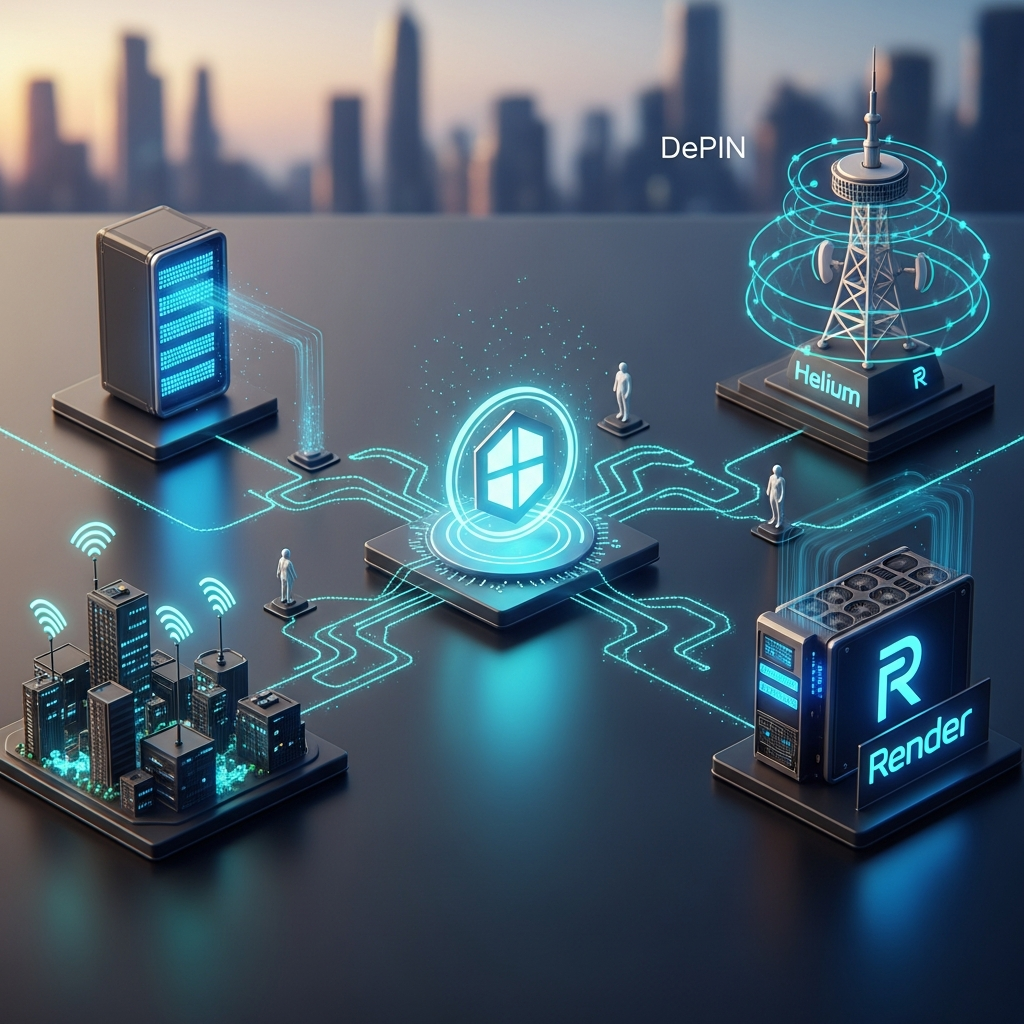
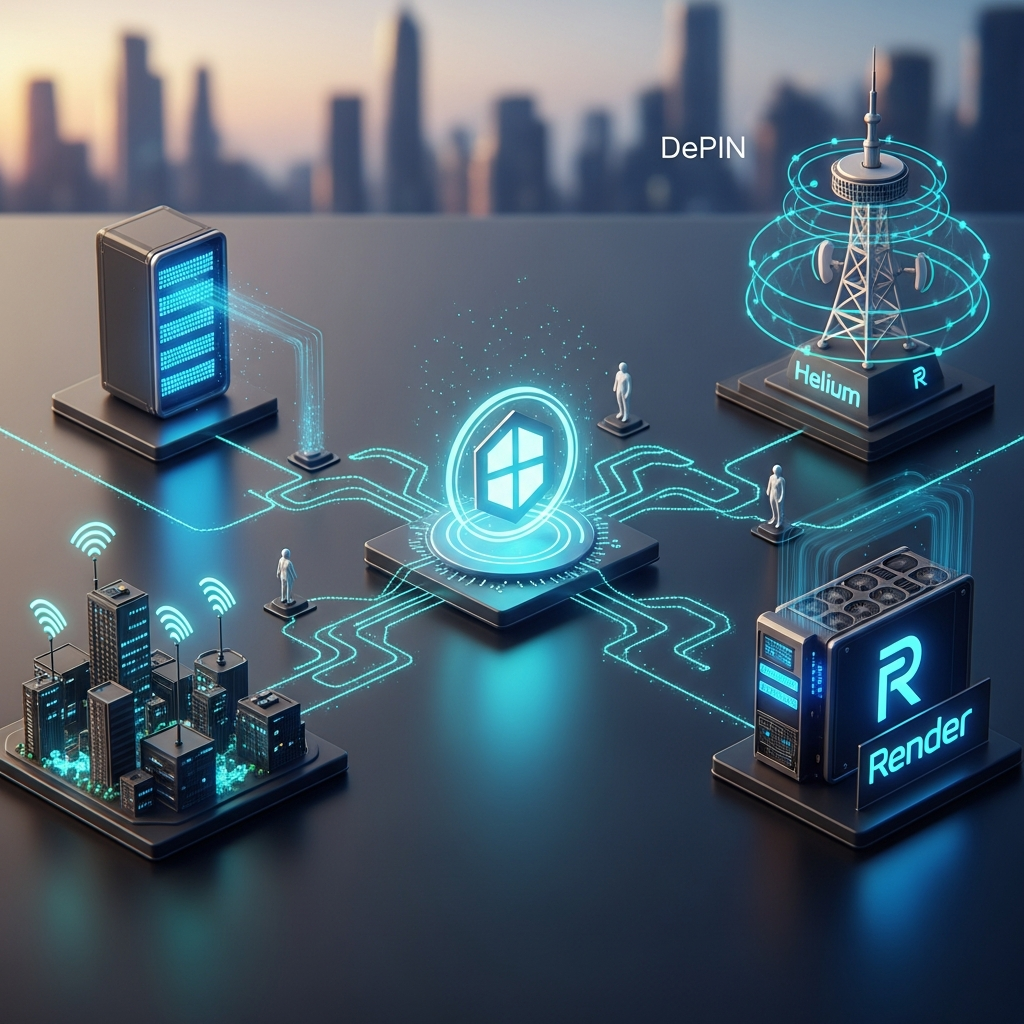
In 2026, the concept of Decentralized Physical Infrastructure (DePIN) has gained significant traction, merging the physical and digital worlds. This innovative approach rewards users for providing real-world resources such as compute power, sensors, and telecommunications. Networks like Helium and Render are at the forefront of this movement, enabling individuals to monetize their contributions to a decentralized ecosystem.
As the demand for digital services continues to grow, traditional infrastructure struggles to keep pace. DePIN addresses this challenge by leveraging the power of blockchain technology to create a decentralized network of physical resources. Users can contribute their idle computing power, sensor data, and telecommunications bandwidth, receiving rewards in the form of cryptocurrency.
Helium has emerged as a leading example of DePIN in action. By allowing users to set up hotspots that provide wireless coverage, Helium incentivizes individuals to contribute to a decentralized network. This model not only enhances connectivity but also empowers users to earn passive income through their contributions.
Render Network takes a similar approach by enabling users to share their GPU power for rendering tasks. This decentralized model allows for efficient resource allocation, reducing costs for developers while providing users with a new revenue stream. As more individuals participate, the network becomes increasingly robust and efficient.
The advantages of DePIN are manifold. Firstly, it democratizes access to resources, allowing anyone with the necessary equipment to participate. Secondly, it enhances the resilience of digital infrastructure by distributing resources across a wide network. Finally, it fosters innovation by creating new economic opportunities for individuals and businesses alike.
Despite its potential, DePIN faces several challenges. Regulatory hurdles, security concerns, and the need for user education are critical factors that must be addressed for widespread adoption. Additionally, ensuring the quality and reliability of contributed resources is essential to maintain user trust and network integrity.
Looking ahead, the future of DePIN appears promising. As more individuals and businesses recognize the value of decentralized infrastructure, we can expect to see increased investment and innovation in this space. The integration of advanced technologies such as AI and IoT will further enhance the capabilities of DePIN, creating a more interconnected and efficient world.
In conclusion, DePIN represents a significant shift in how we think about infrastructure. By bridging the gap between the physical and digital realms, it offers a new paradigm for resource sharing and economic opportunity. As we move further into 2026, the impact of DePIN on our daily lives will only continue to grow.