/ Mar 18, 2026
Trending
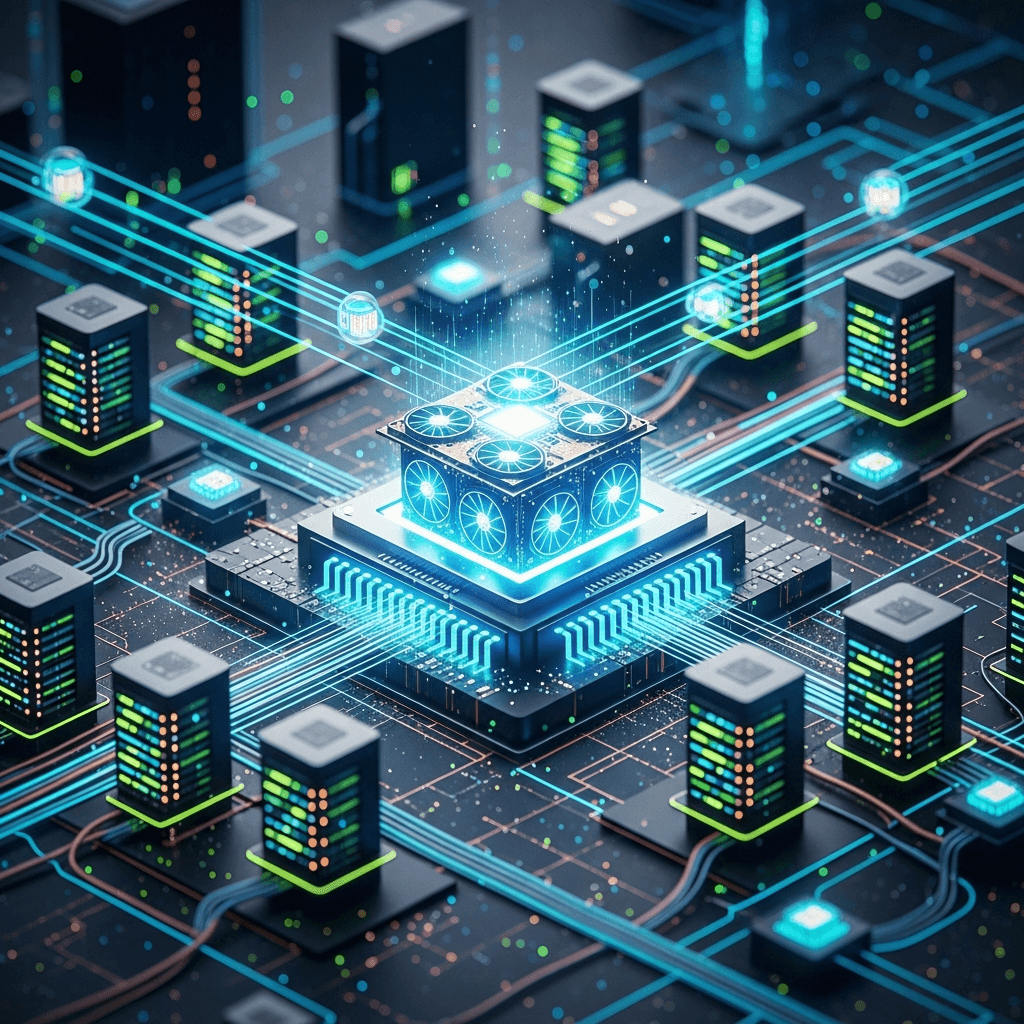
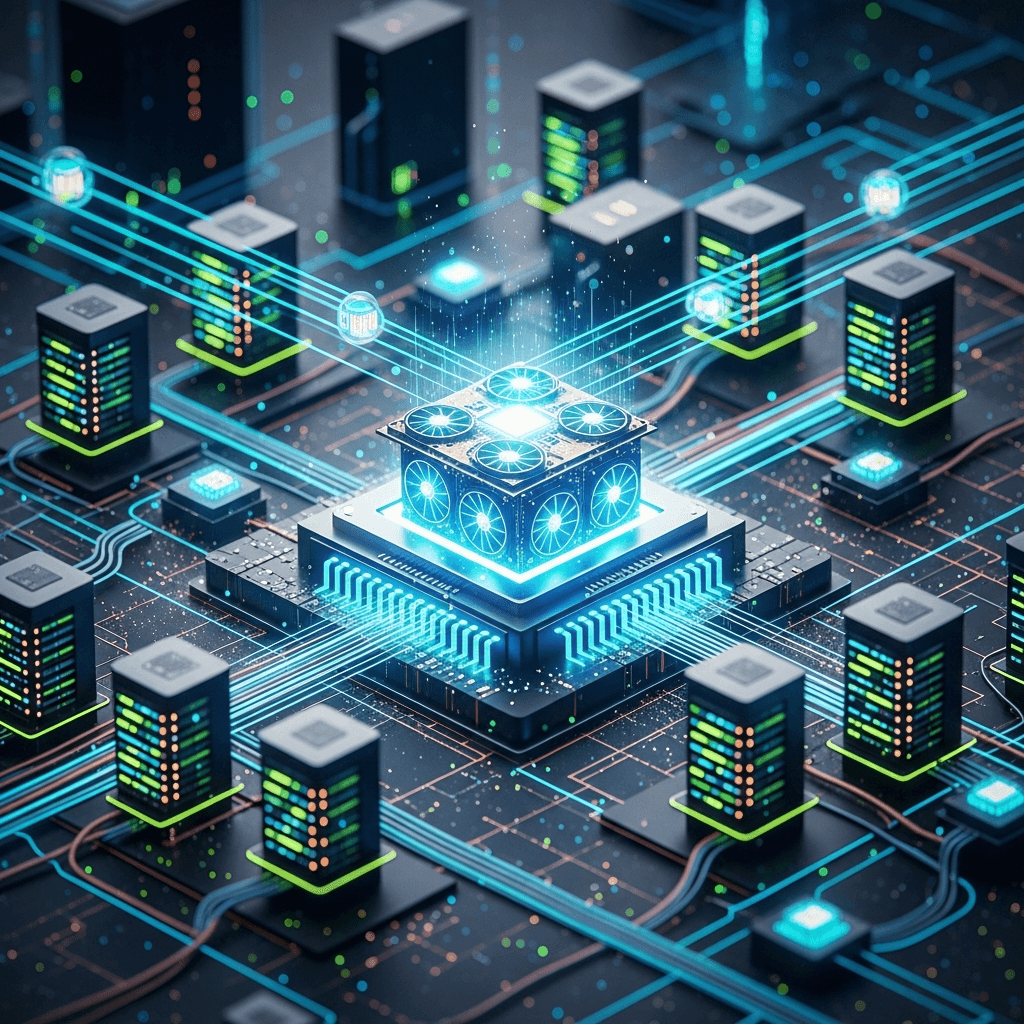
Decentralized Physical Infrastructure Networks (DePIN) are emerging as a transformative force in the blockchain and cryptocurrency landscape. By leveraging decentralized networks to provide physical infrastructure, DePIN projects are enabling a new era of computing that is both efficient and scalable.
One of the most notable players in the DePIN space is the Akash Network. This platform allows users to rent out their unused computing power, creating a marketplace for cloud services that is decentralized and cost-effective. As demand for GPU power surges, particularly for artificial intelligence (AI) applications, Akash Network is positioned to capture a significant share of this growing market.
As the cryptocurrency mining landscape evolves, many miners are pivoting from traditional mining operations to providing GPU power for AI workloads. This shift is driven by the increasing profitability of AI-related tasks compared to traditional mining. By utilizing their existing hardware, miners can tap into the lucrative AI market while contributing to the decentralized infrastructure.
In 2026, the demand for decentralized computing solutions is expected to skyrocket. With businesses and developers seeking more efficient and cost-effective ways to run AI applications, platforms like Akash Network are likely to see exponential growth. This trend is indicative of a broader shift towards decentralized solutions across various industries.
The advantages of DePIN are manifold. Firstly, it democratizes access to computing resources, allowing anyone with spare capacity to participate in the network. Secondly, it reduces reliance on centralized cloud providers, which can be costly and prone to outages. Lastly, DePIN enhances security and privacy, as data is distributed across a network rather than stored in a single location.
Despite the promising outlook for DePIN, several challenges remain. Regulatory hurdles, technical limitations, and the need for robust security measures are all critical factors that must be addressed. Additionally, as the market becomes more competitive, projects will need to differentiate themselves to attract users and maintain growth.
As we move further into 2026, the impact of Decentralized Physical Infrastructure Networks on the computing landscape will become increasingly evident. With projects like Akash Network leading the way, the future of decentralized computing looks bright, particularly in the realm of AI workloads. The transition of miners to providing GPU power is just the beginning of a larger trend that will shape the industry for years to come.