/ Mar 10, 2026
Trending
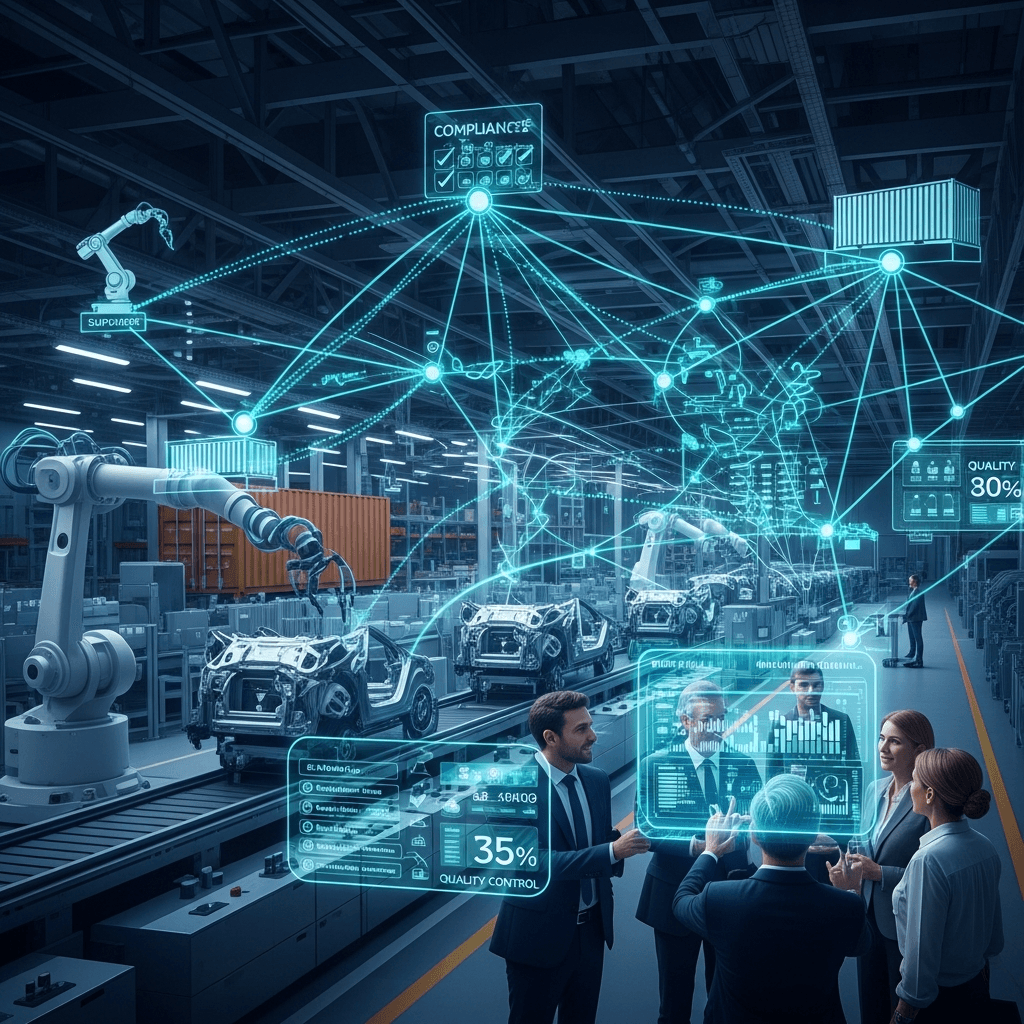
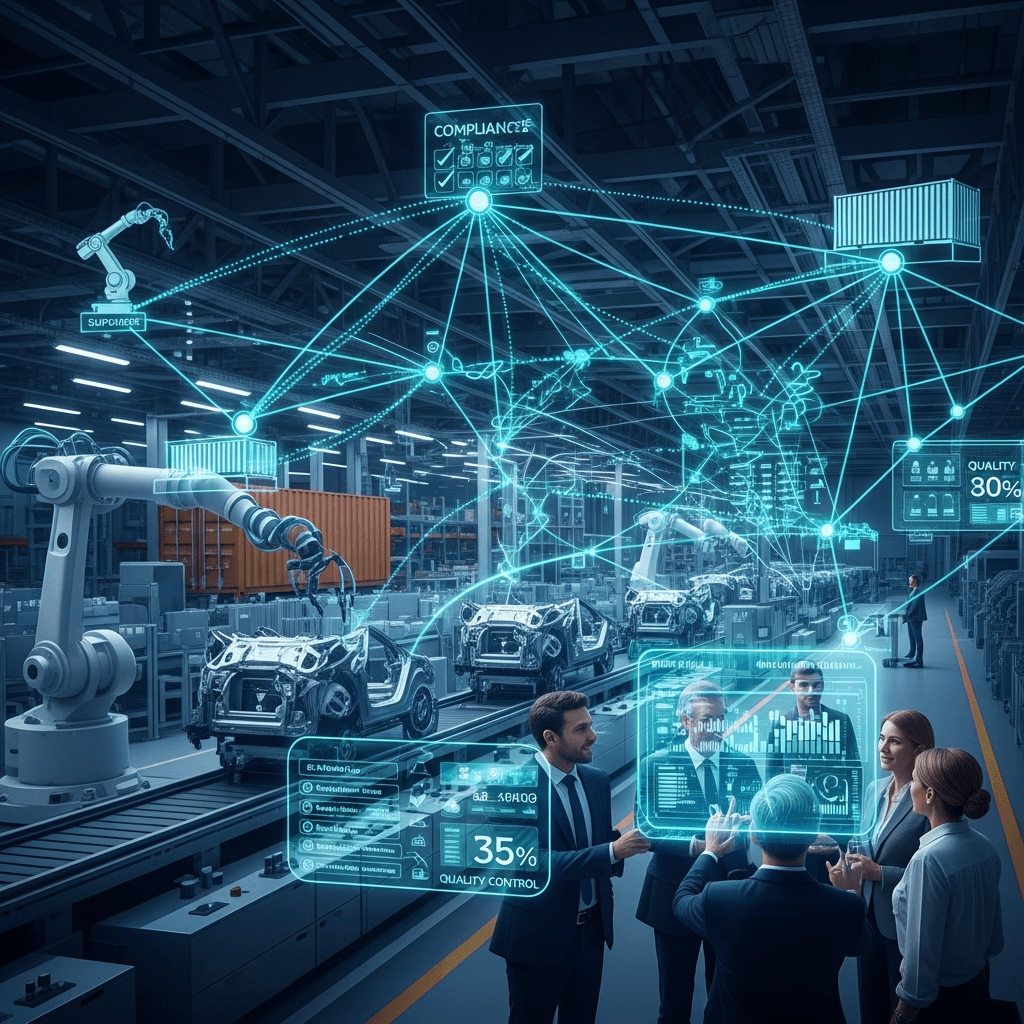
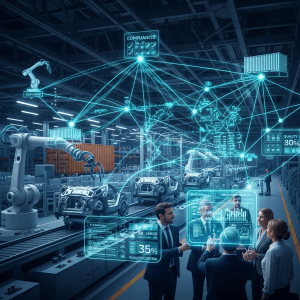
In 2026, the automotive industry is witnessing a significant transformation as companies like Renault adopt blockchain technology to enhance supply chain transparency. This innovative approach is revolutionizing how manufacturers ensure compliance and maintain quality control in their production processes.
As global supply chains become increasingly complex, the demand for transparency has never been higher. Consumers and regulators alike are calling for greater accountability in manufacturing practices. Blockchain technology offers a solution by providing a decentralized and immutable ledger that records every transaction in real-time.
Renault’s implementation of blockchain allows for real-time monitoring of compliance with industry standards and regulations. Each component of a vehicle can be traced back to its origin, ensuring that all materials meet safety and quality requirements. This level of transparency not only protects consumers but also enhances the brand’s reputation.
Quality control is paramount in the automotive industry. With blockchain, Renault can track the quality of parts throughout the manufacturing process. Any discrepancies can be identified and addressed immediately, reducing the risk of defects and recalls. This proactive approach to quality management is a game-changer for manufacturers.
The benefits of integrating blockchain into supply chain management extend beyond compliance and quality control. Here are some key advantages:
Despite the numerous advantages, the adoption of blockchain in supply chains is not without challenges. Integration with existing systems can be complex, and there is a need for industry-wide standards to ensure interoperability. Additionally, the initial investment in technology and training can be a barrier for some companies.
As we move further into 2026, the role of blockchain in supply chain transparency will continue to grow. Companies like Renault are leading the way, demonstrating that embracing technology can lead to improved compliance, quality control, and overall efficiency. The future of manufacturing is transparent, and blockchain is at the forefront of this revolution.