/ Oct 22, 2026
Trending
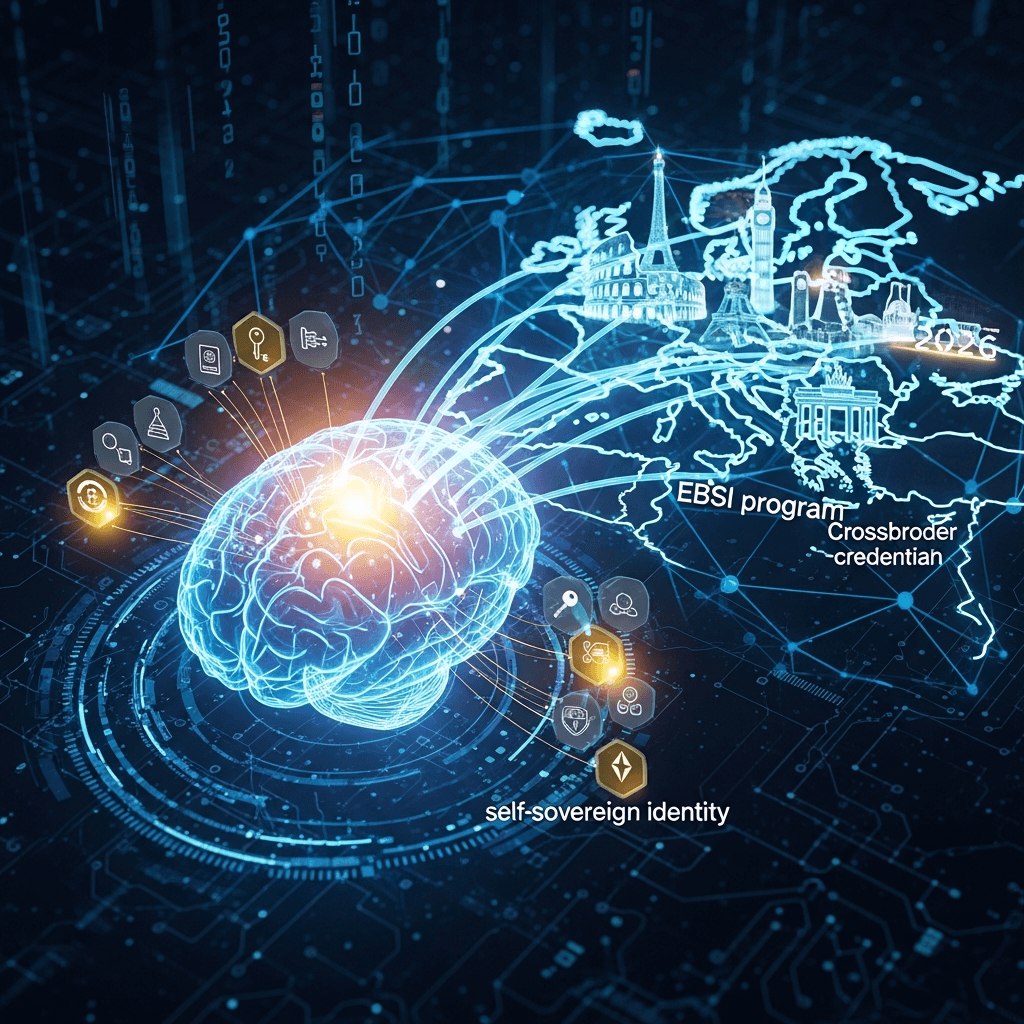
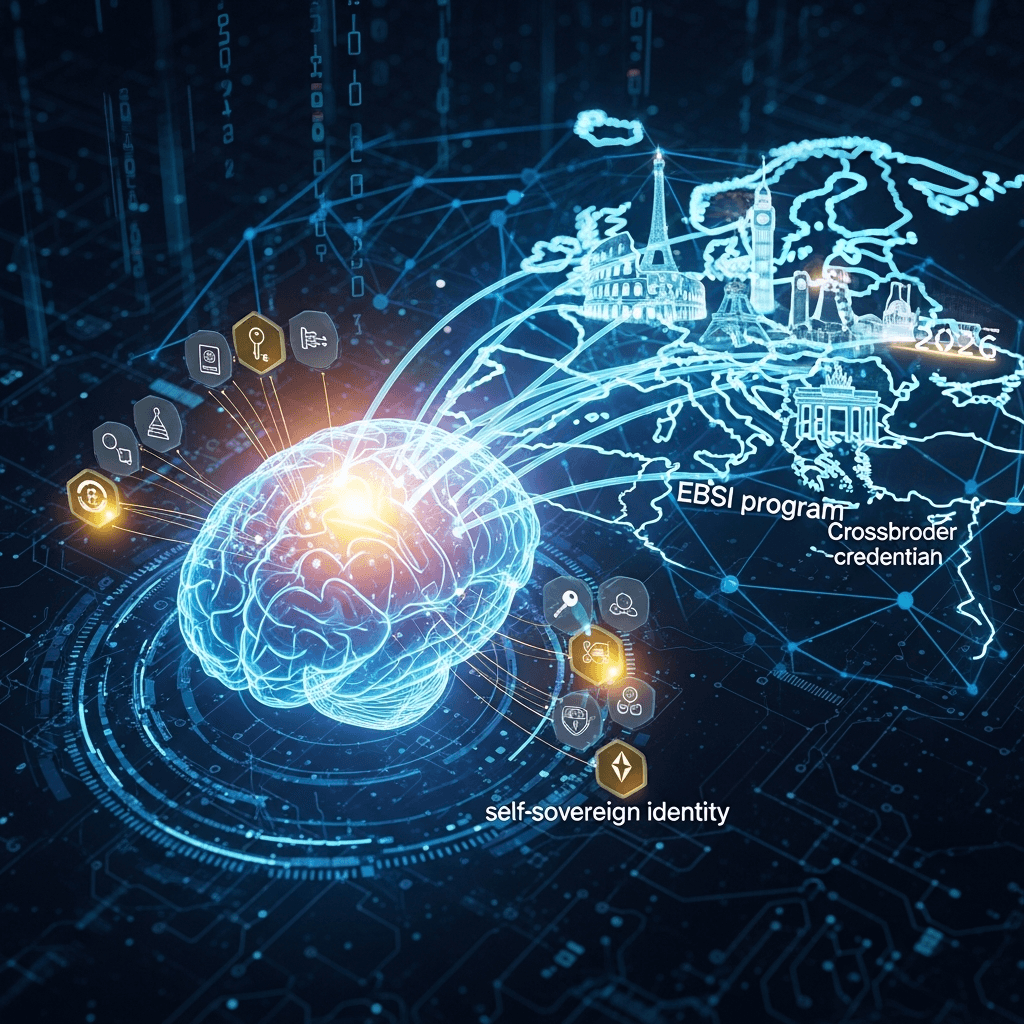
In 2026, the landscape of digital identity is undergoing a significant transformation. Self-sovereign identity (SSI) systems are emerging as a pivotal solution for individuals seeking control over their personal data. The European Blockchain Services Infrastructure (EBSI) program is at the forefront of this revolution, facilitating cross-border academic and personal credential verification.
As the world becomes increasingly digital, the need for secure and verifiable identities has never been more critical. Traditional identity verification methods often involve centralized authorities, leading to privacy concerns and inefficiencies. SSI systems empower individuals by allowing them to manage their identities without relying on third parties.
The EBSI initiative, launched by the European Commission, aims to create a trusted and secure framework for digital identities across Europe. By leveraging blockchain technology, EBSI enables users to store and share their credentials securely, ensuring that their personal information remains private and under their control.
One of the primary applications of EBSI is in the verification of academic and personal credentials. This system offers several advantages:
Several pilot projects are currently underway to test the efficacy of EBSI in real-world scenarios. Universities and educational institutions are collaborating to issue digital diplomas and certificates that can be easily verified by employers and other institutions.
While the potential of SSI systems like EBSI is immense, there are challenges to consider:
As we move forward, the importance of digital identity will only grow. The EBSI program represents a significant step towards a future where individuals have full control over their identities. By embracing self-sovereign identity systems, we can create a more secure, efficient, and user-centric digital landscape.
In conclusion, the evolution of digital identity through initiatives like EBSI is set to redefine how we manage and verify our personal information. As these systems gain traction, they promise to enhance privacy, security, and efficiency in credential verification, paving the way for a more connected and trusted digital world.