/ Oct 22, 2026
Trending
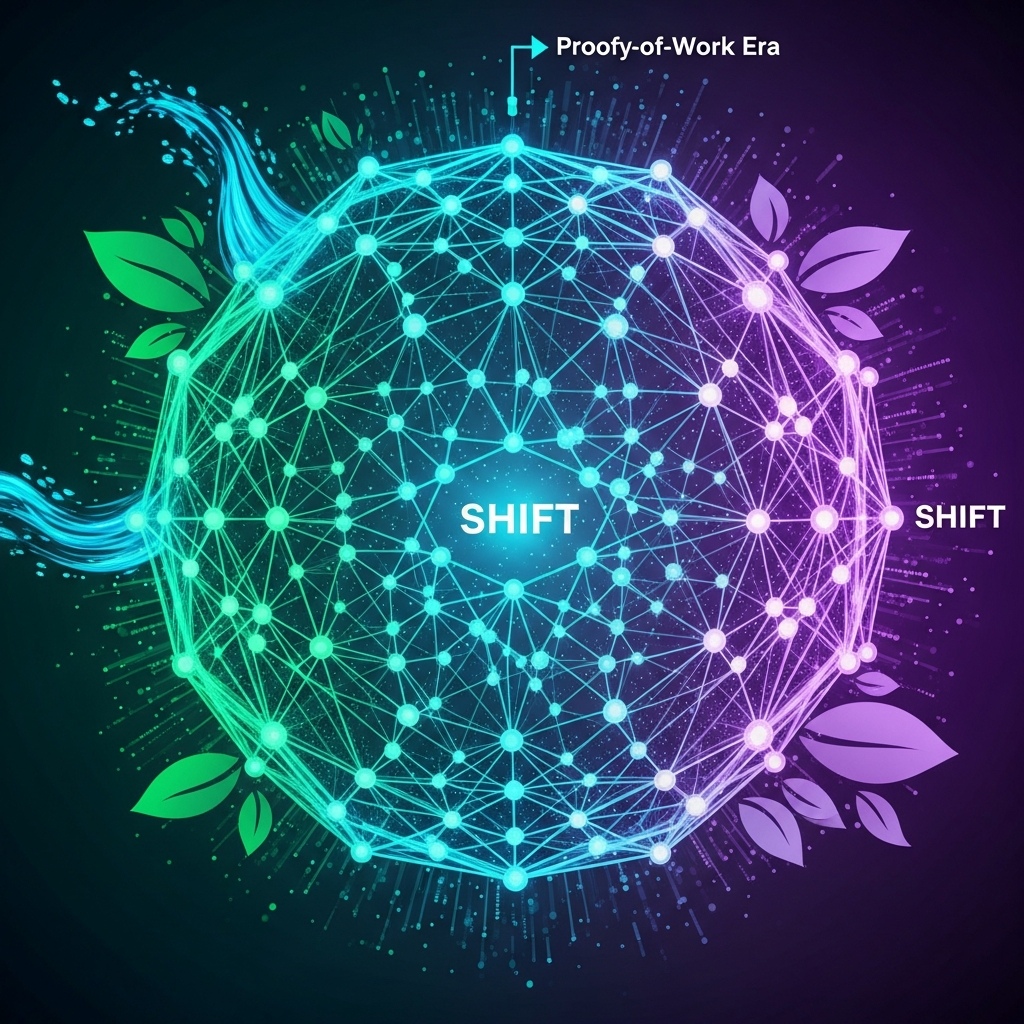
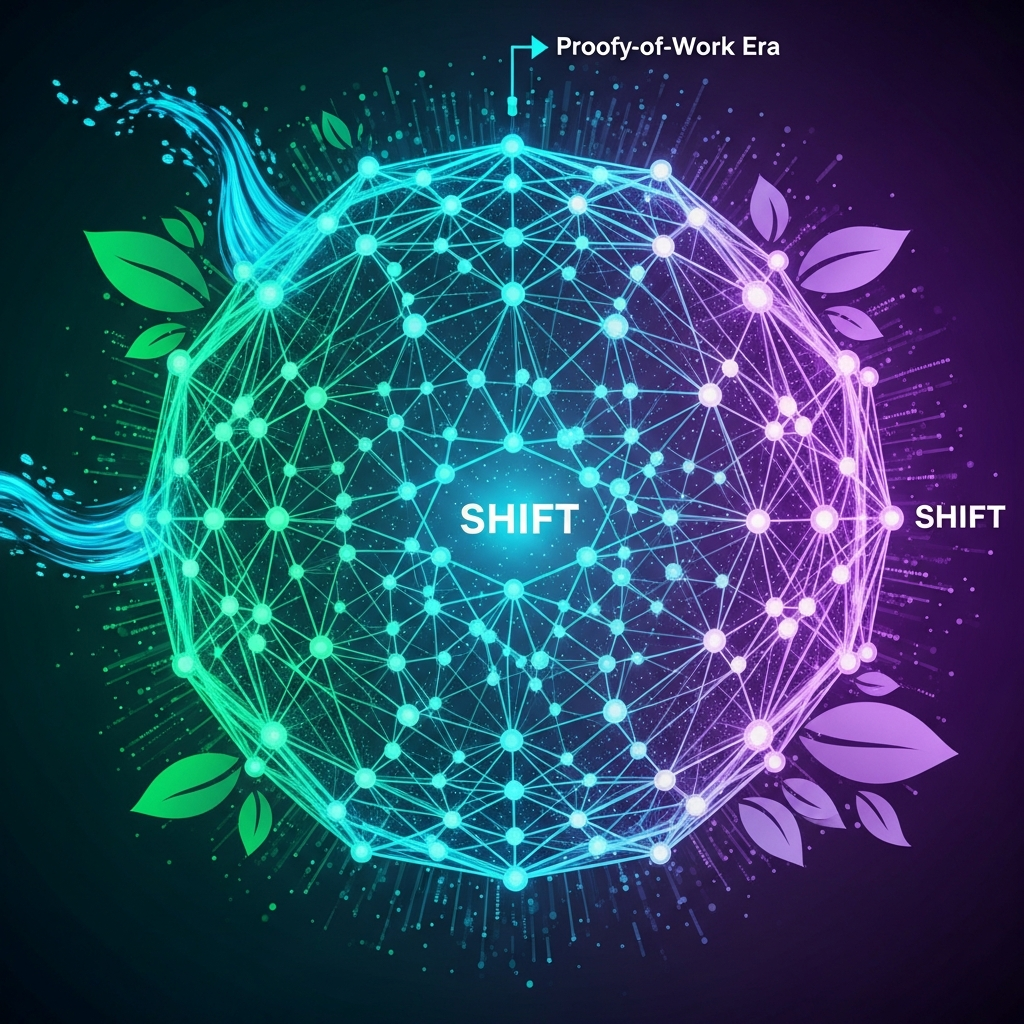
As we progress into 2026, the blockchain industry is undergoing a significant transformation, driven by the urgent need for sustainability. With global environmental concerns at the forefront, many projects are shifting from traditional energy-intensive Proof-of-Work (PoW) systems to more energy-efficient Proof-of-Stake (PoS) consensus mechanisms.
Proof-of-Stake has emerged as a viable alternative to Proof-of-Work, which has been criticized for its excessive energy consumption. PoS allows validators to create new blocks and confirm transactions based on the number of coins they hold and are willing to ‘stake’ as collateral. This method drastically reduces the energy required for blockchain operations, making it a more sustainable option.
The environmental impact of blockchain technology has been a hot topic, especially with the increasing awareness of climate change. In 2026, many PoS networks report energy consumption levels that are significantly lower than their PoW counterparts. For instance, Ethereum’s transition to PoS has reportedly reduced its energy consumption by over 99%, setting a benchmark for other projects.
Major players in the crypto space are recognizing the importance of sustainability. Projects like Cardano, Solana, and Polkadot have adopted PoS mechanisms, showcasing their commitment to reducing their carbon footprint. This shift not only appeals to environmentally conscious investors but also aligns with global sustainability goals.
As governments worldwide implement stricter regulations on energy consumption and carbon emissions, the adoption of PoS could become a competitive advantage. Regulatory bodies are increasingly scrutinizing the environmental impact of blockchain technologies, and projects that prioritize sustainability may find themselves better positioned in the market.
Looking ahead, the trend towards green blockchain solutions is expected to accelerate. Innovations in PoS technology, such as sharding and layer-2 solutions, will further enhance scalability and efficiency. As the industry continues to evolve, the integration of sustainability into blockchain protocols will likely become a standard practice.
The transition to energy-efficient Proof-of-Stake consensus mechanisms marks a pivotal moment in the blockchain industry. By prioritizing sustainability, the sector not only addresses environmental concerns but also paves the way for a more responsible and resilient future. As we move forward, the green blockchain revolution will undoubtedly shape the landscape of digital currencies and decentralized technologies.